
Rituals of Assembly_
Location: Gmunden, Austria
Rituals of Assembly is a design-build studio with the Institute of Architectural Design at TU Wien that approaches architecture as a shared ritual-one that connects material, social, and cultural narratives to uncover new spatial possibilities.
Rituals of Assembly is an iteration of ‘RRRUBBLE’ - an ongoing collaborative research project by The MAAK and Space Saloon.
more after the break ↓
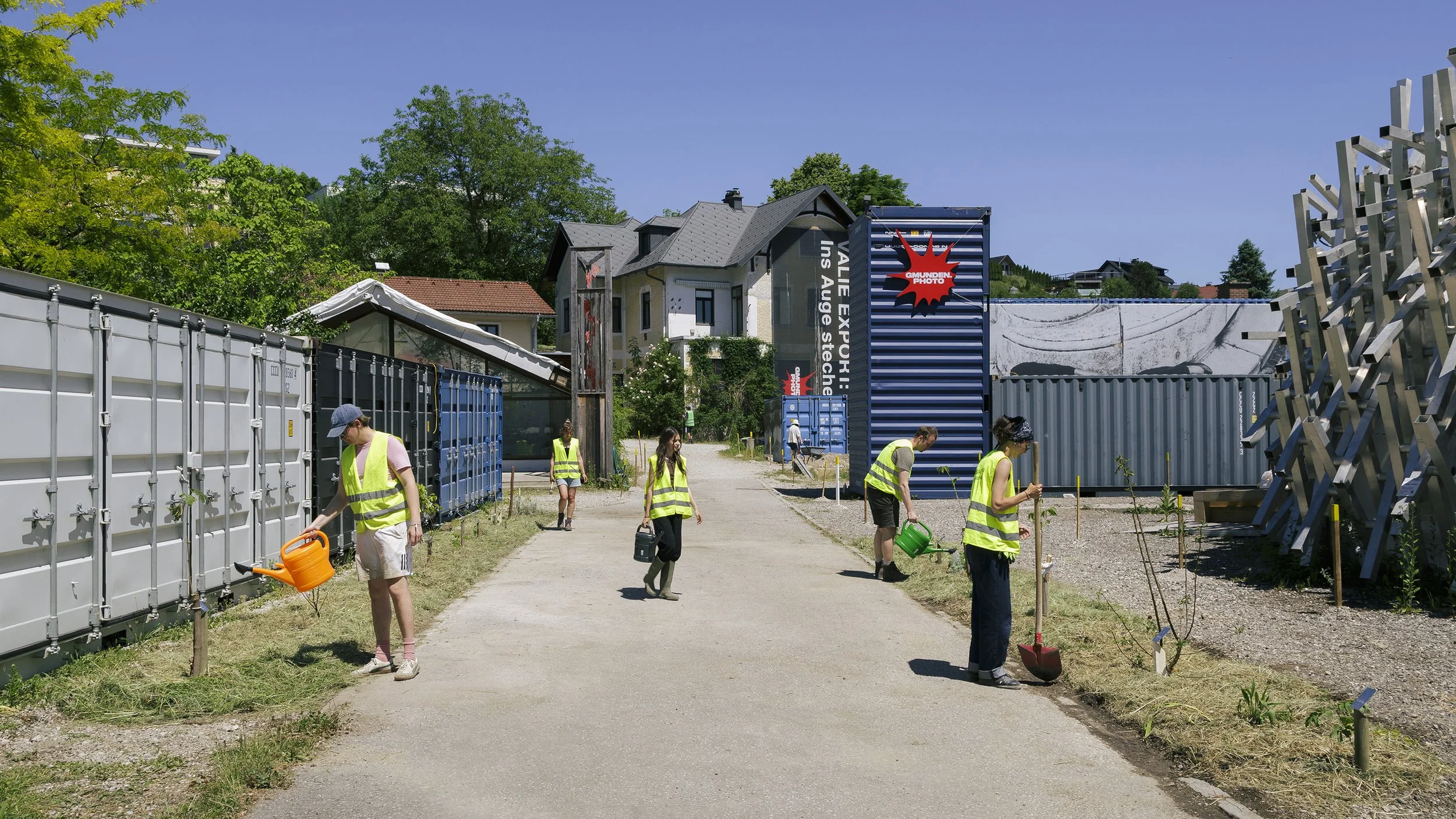
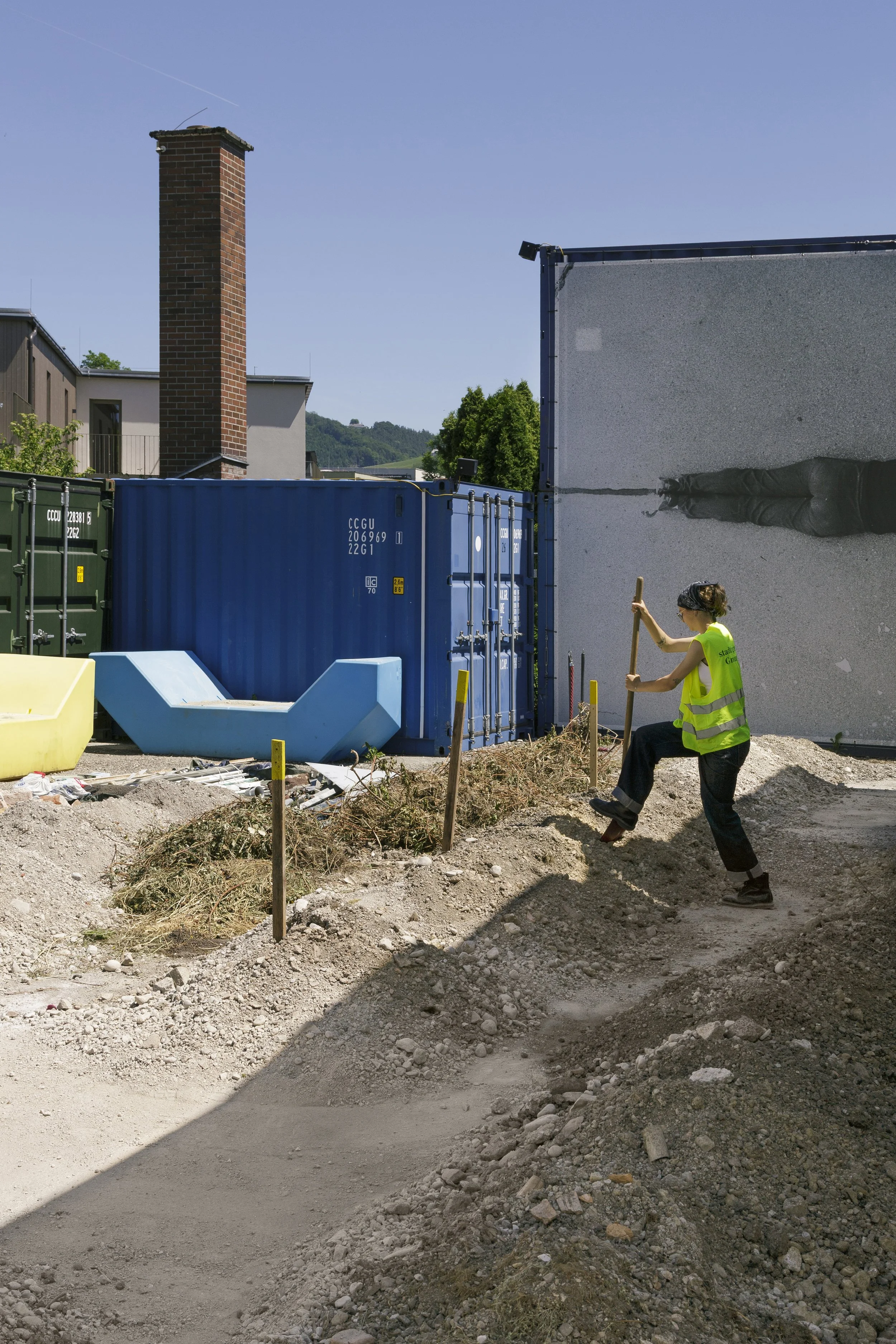
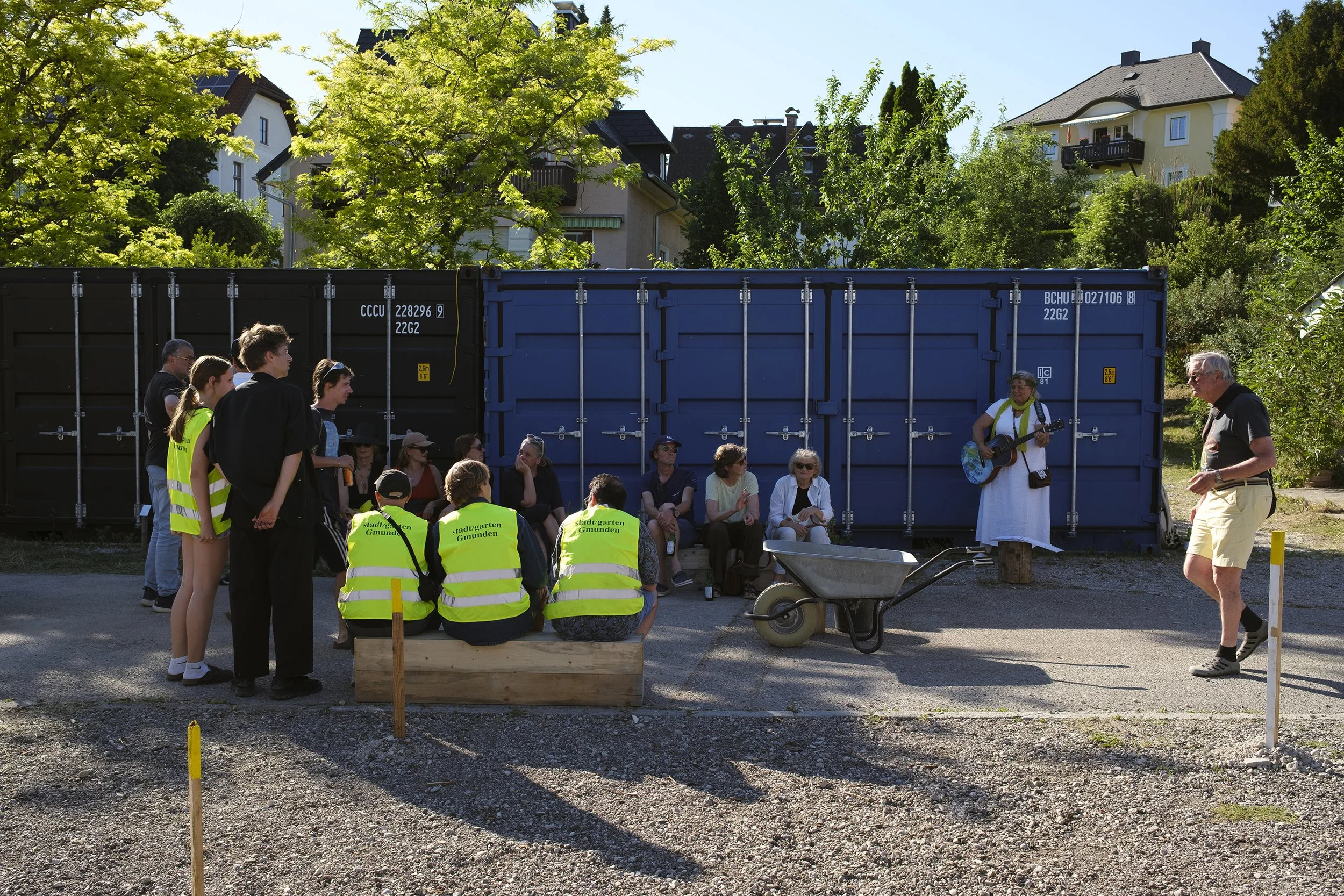
The semester-long project unfolded through a sequence of full-scale experiments combining design, construction and public participation. Rather than separating design from construction, the studio treated building as a form of iterative research. Beginning with performative site analysis and material research, students developed 1:1 prototypes that were tested, modified and assembled on site. Ideas were developed through making, tested in public and revised in response to the people, materials and conditions encountered along the way.
The process was intentionally open, allowing local residents, schools, associations, visitors and the municipality to participate at different stages of construction and decision-making. Architecture became a tool for conversation, learning and shared responsibility, with the value of the interventions lying as much in the collaborative process as in their physical outcomes.
Developed as part of the local municipality’s long-term vision to transform Stadtgarten Gmunden, a neglected public park in Gmunden, Austria, the studio asks how repeated actions can become architectural rituals capable of changing how a public space is occupied, understood and cared for.
The studio began with the idea that rituals can give meaning to places through connection, participation and repetition. The studio explored how these acts could generate spatial interventions responding to the particular conditions of Stadtgarten while building strong relationships between people, materials, programme and place.
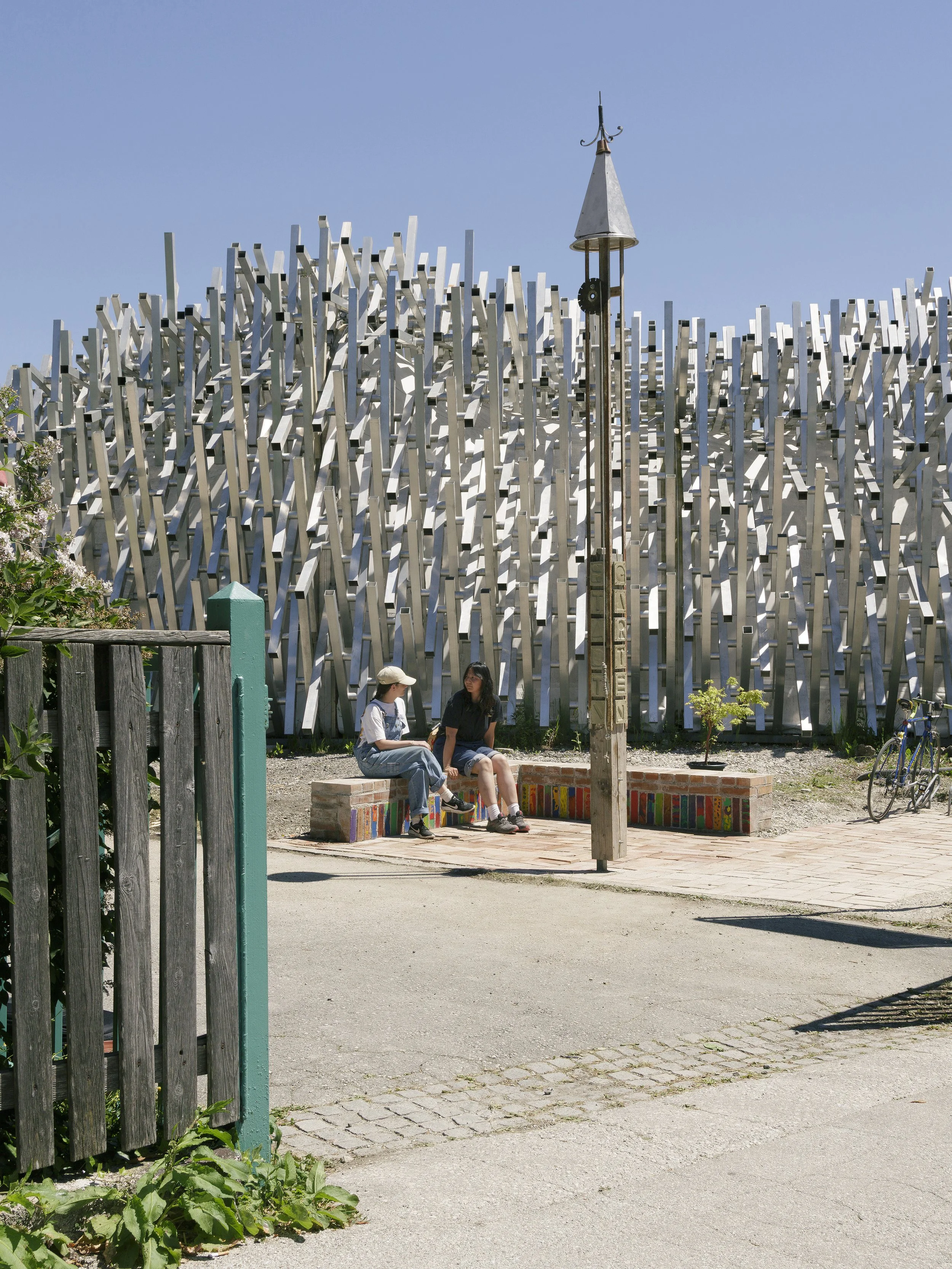
The studio generated 3 small-scale physical and social structures that demonstrate possibilities for the broader redevelopment of Stadtgarten. Each was developed with a distinct ritual intention, responding to a specific spatial condition while inviting repeated public engagement and use.
1) First Steps - Arrival
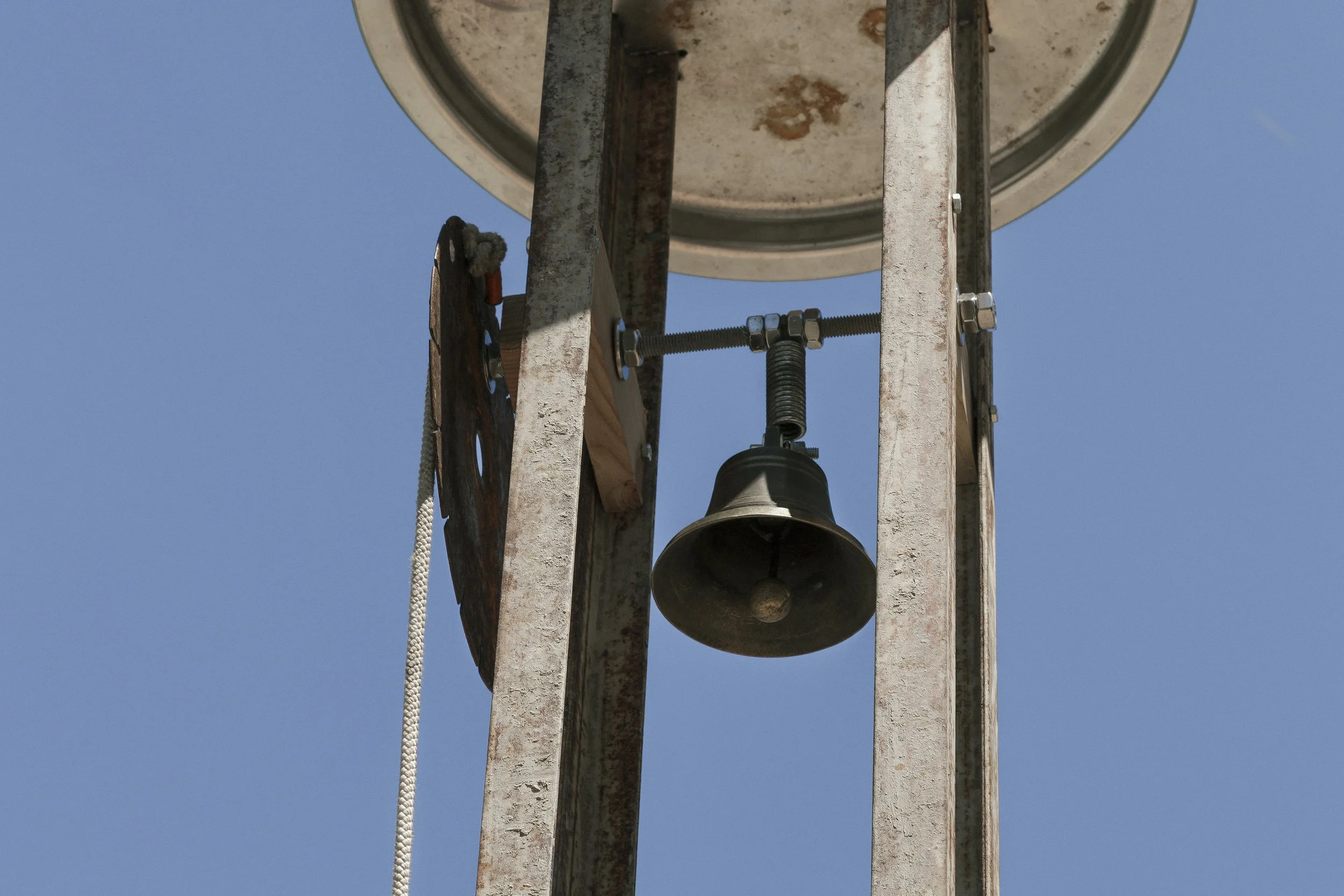
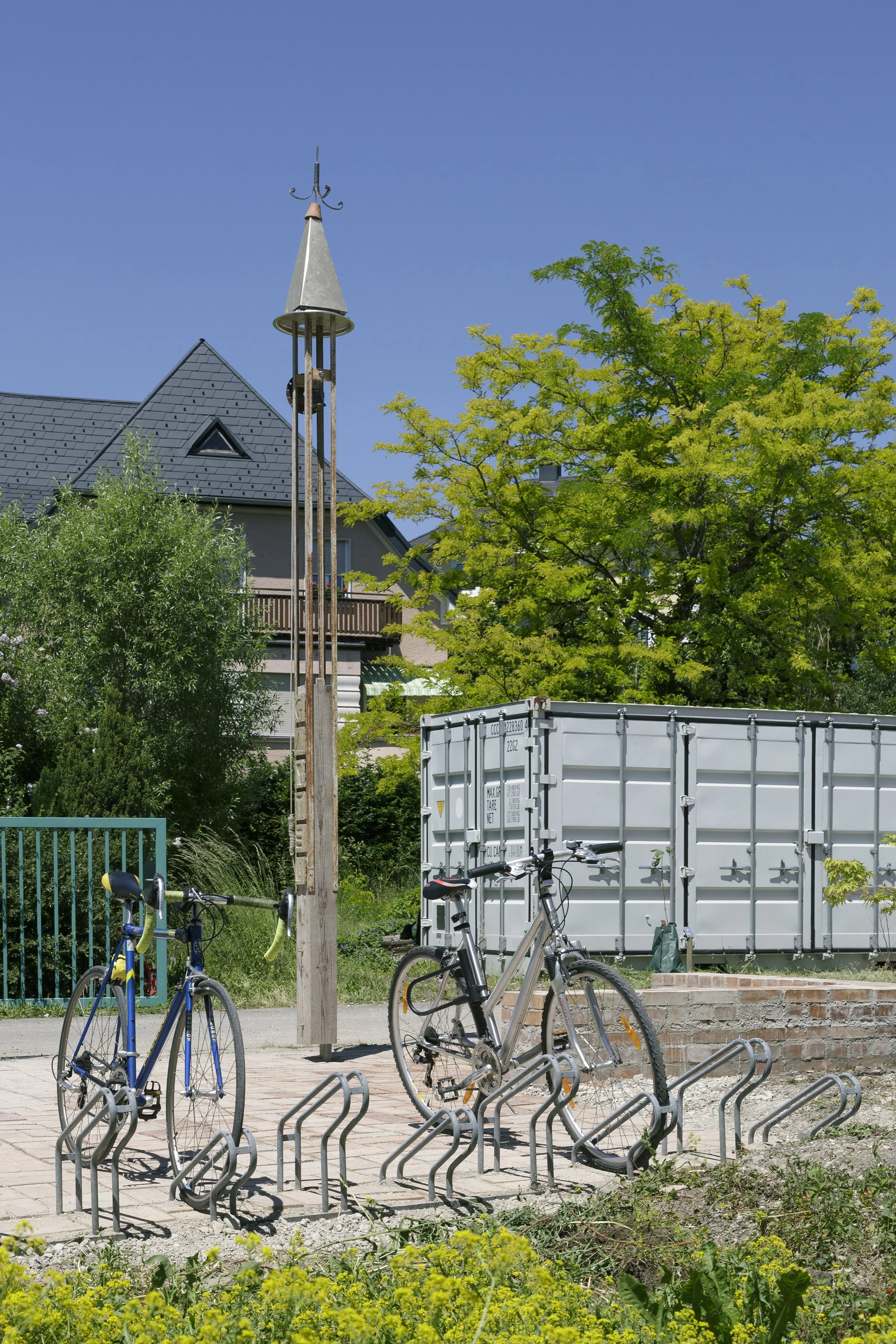
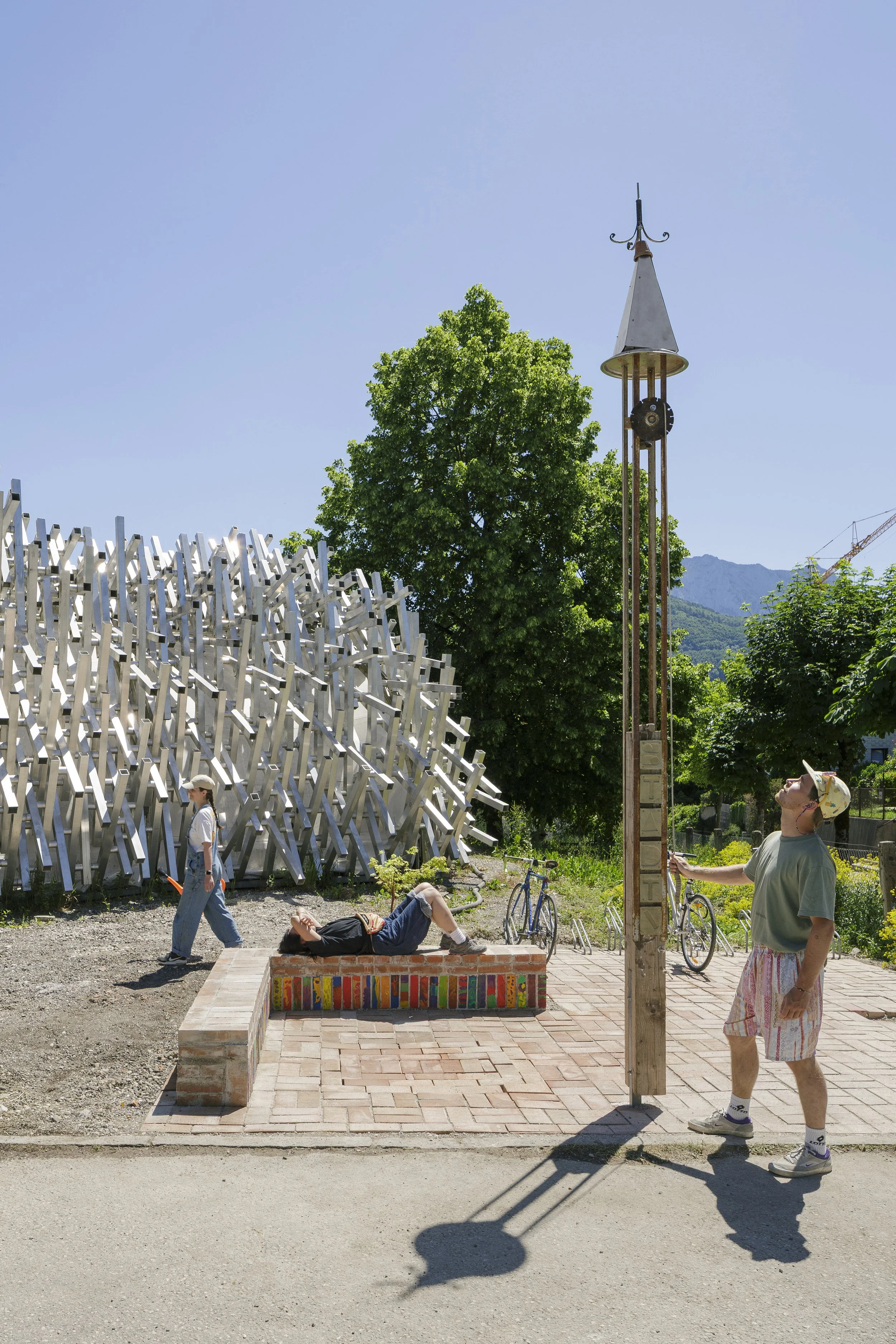
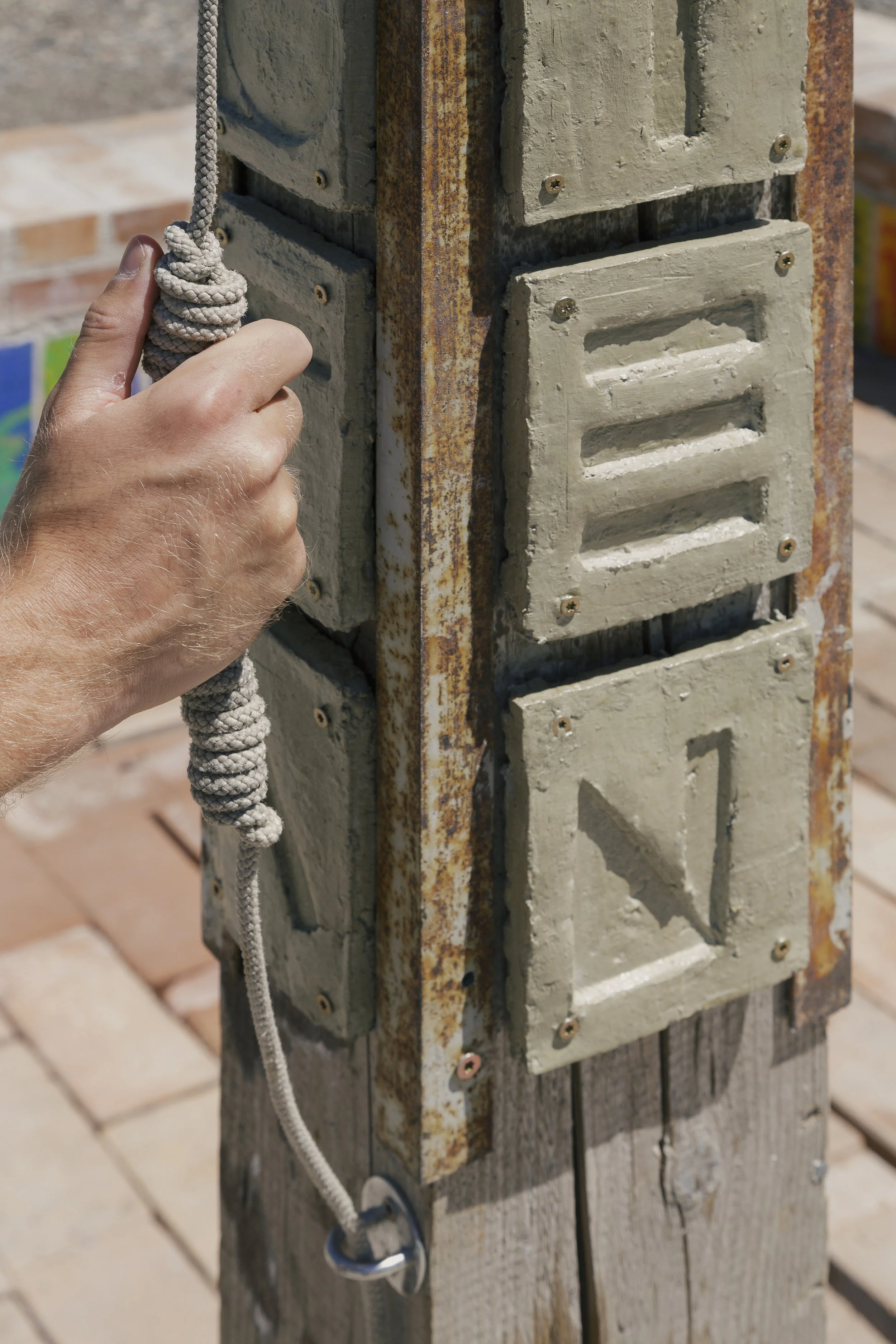
First Steps transforms the Stadtgarten entrance into a dynamic meeting space centred around a colourful bench, bicycle rack and bell tower. Visitors are encouraged to ring the bell when entering the park, turning a transitional space into a place of arrival, encounter and repeated ritual.
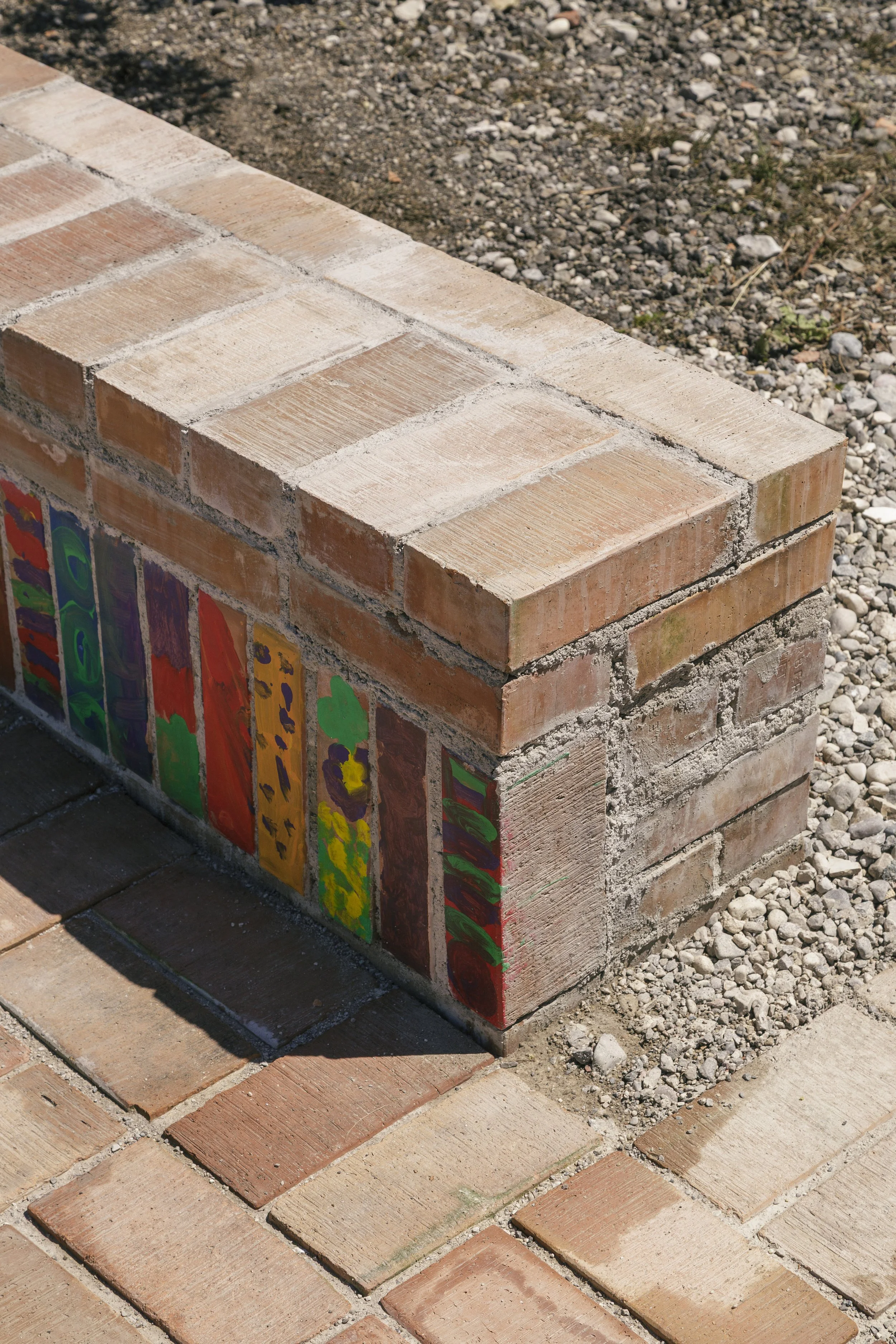
Bench details decorated with the participation of a local kindergarten
Material availability was a key generator of the architecture. Construction resources were sourced exclusively on site, from dismantled structures, unused supplies and found waste. Rather than importing a predetermined material palette, students worked with what was available, treating scarcity not as a constraint but as an opportunity to develop more embedded ways of building and reimagining space.
2) Allee für Alle - Care
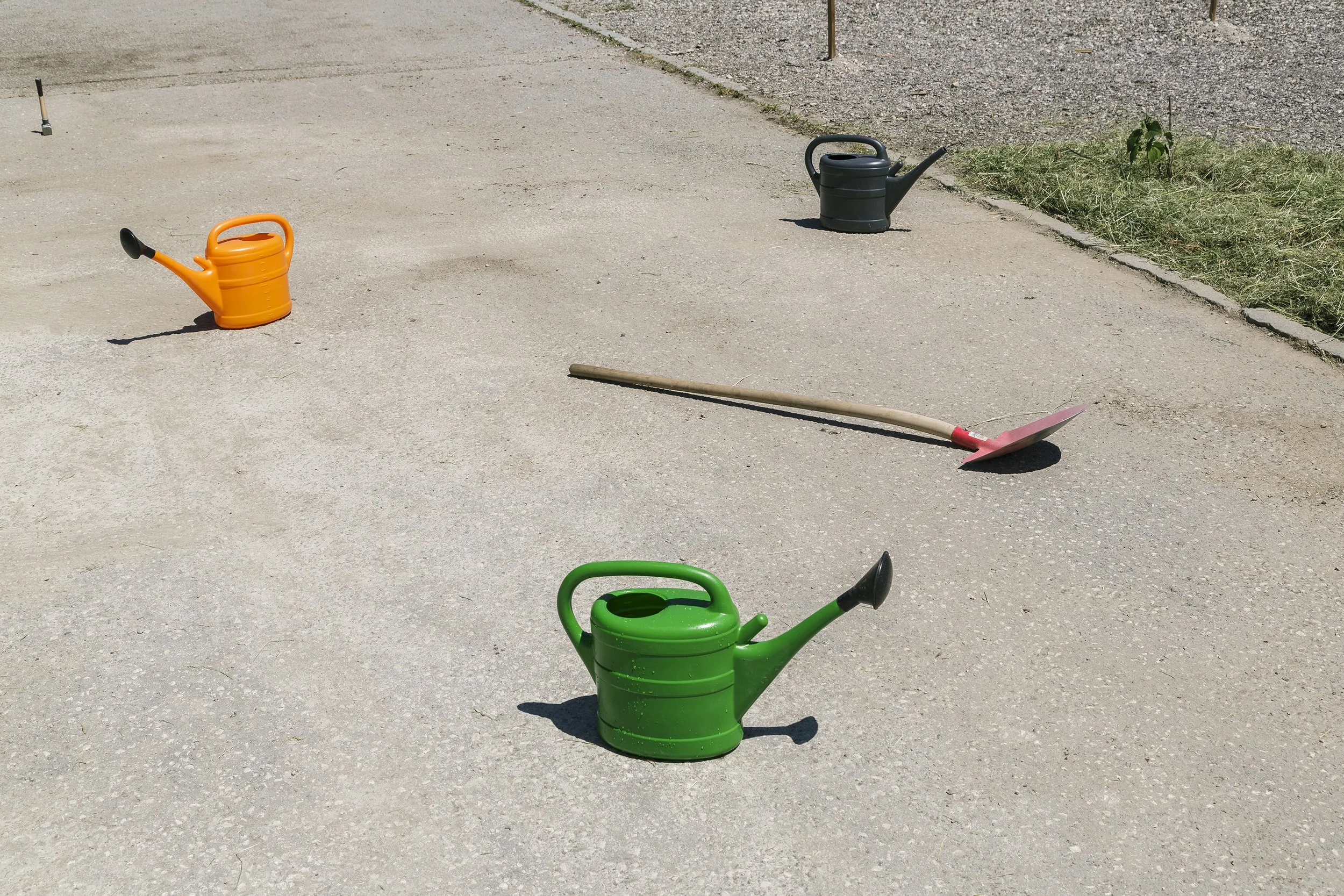
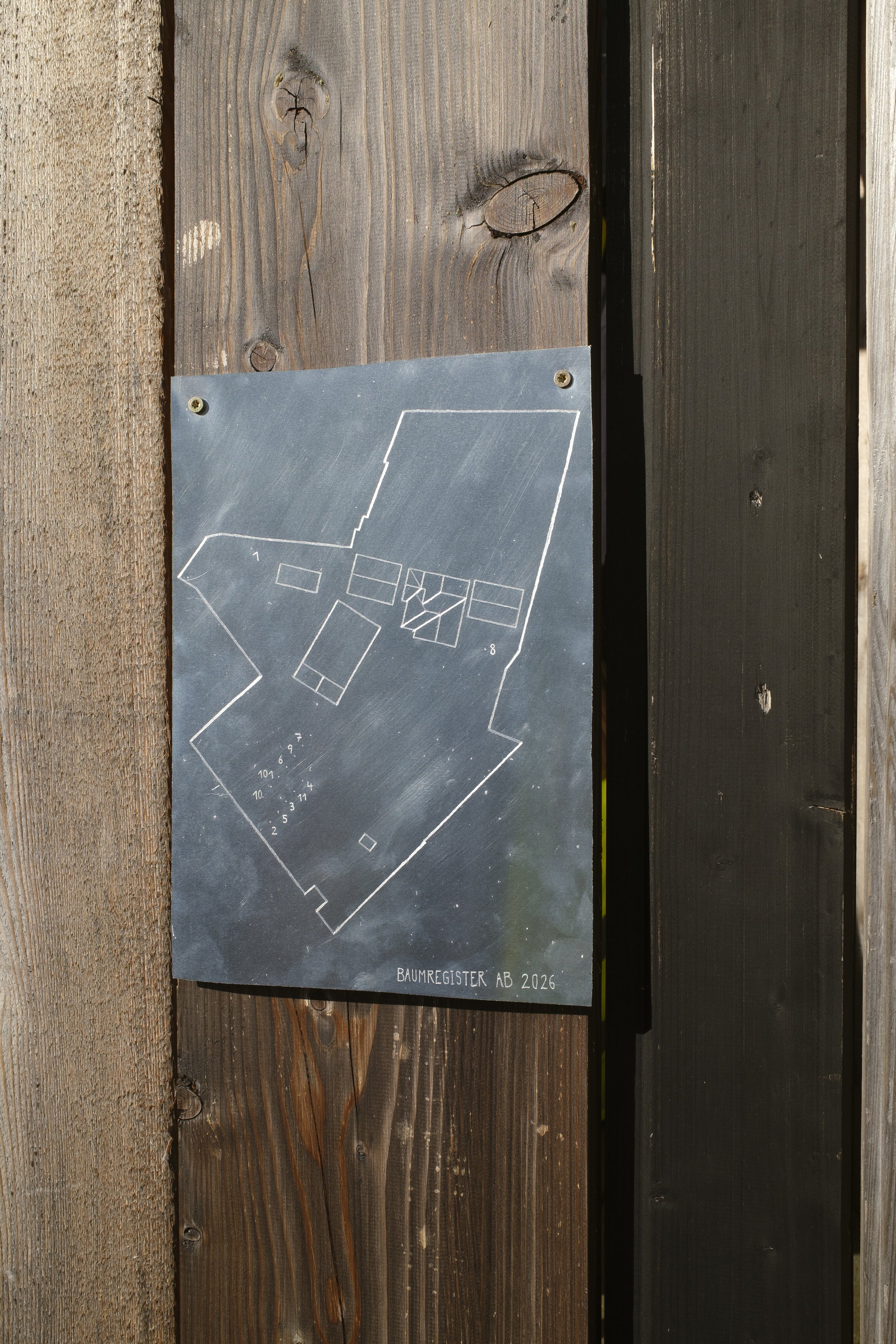
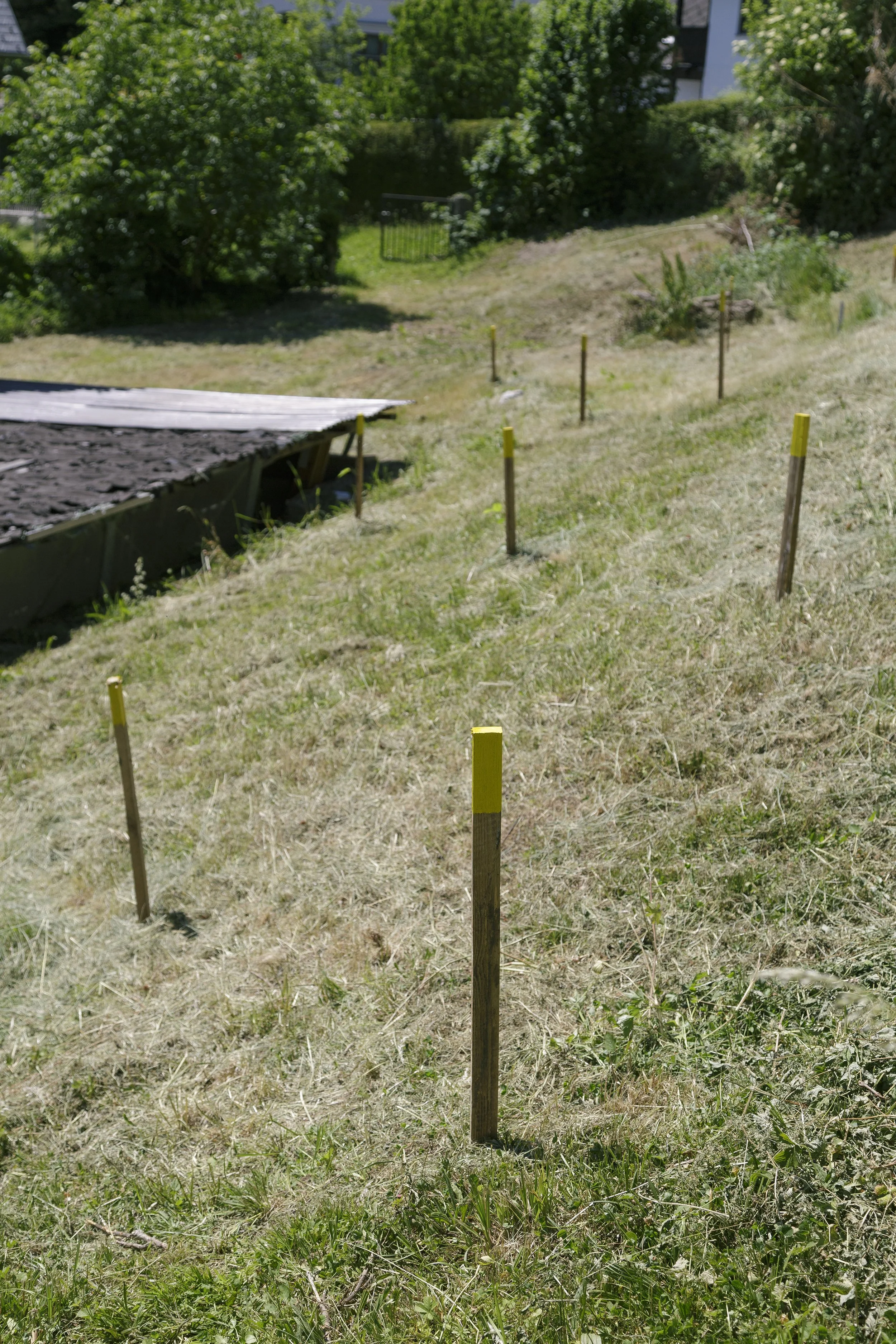
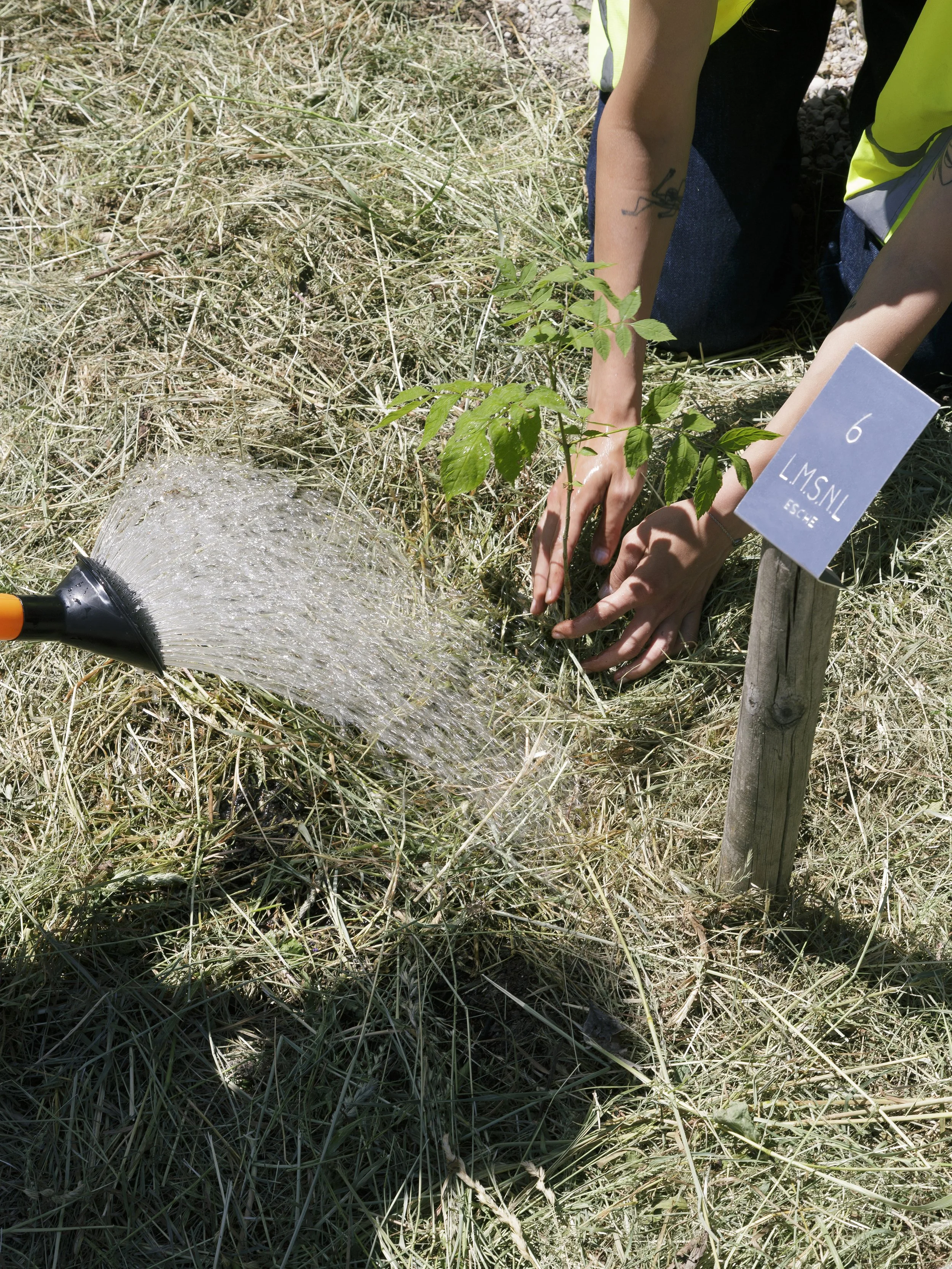
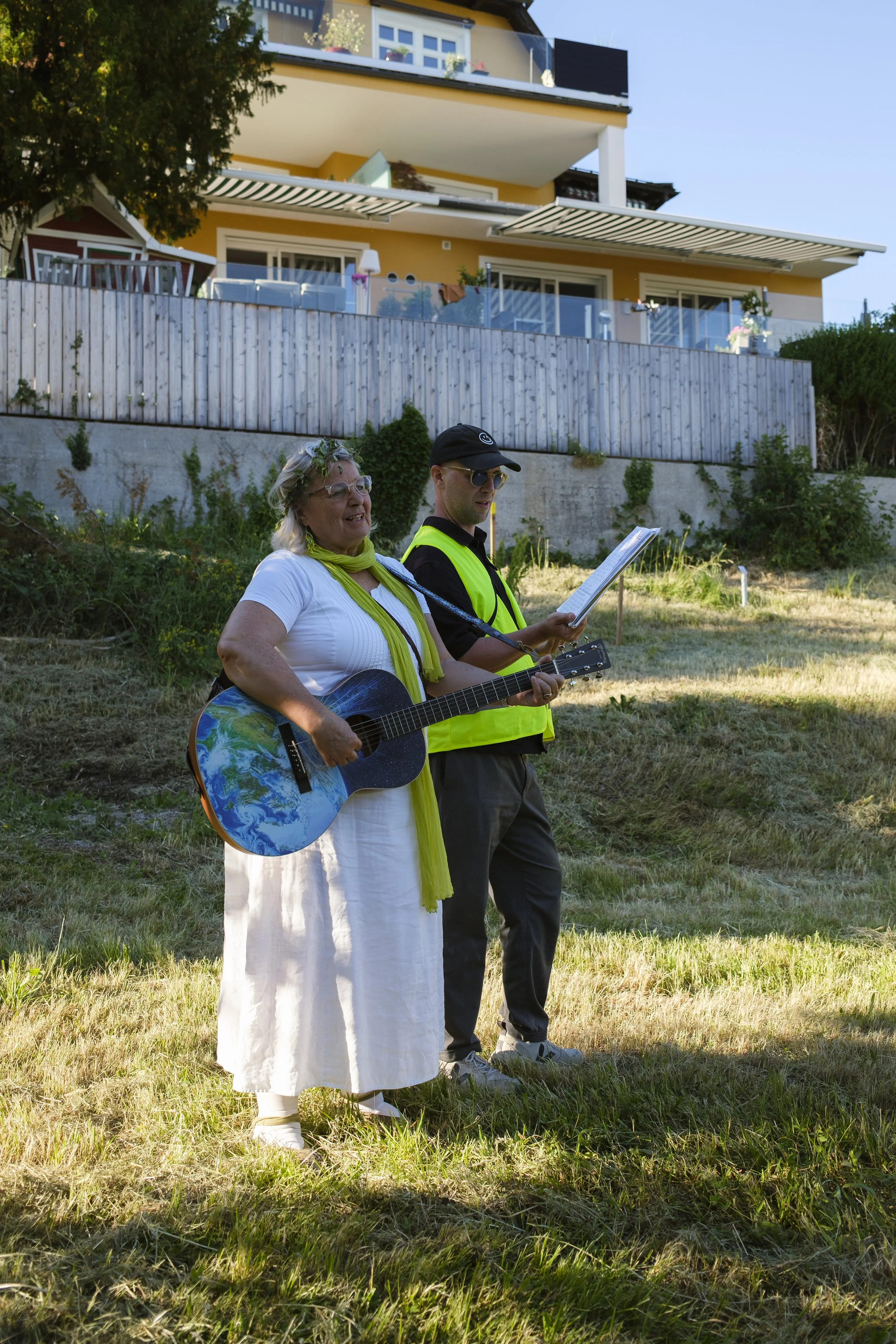
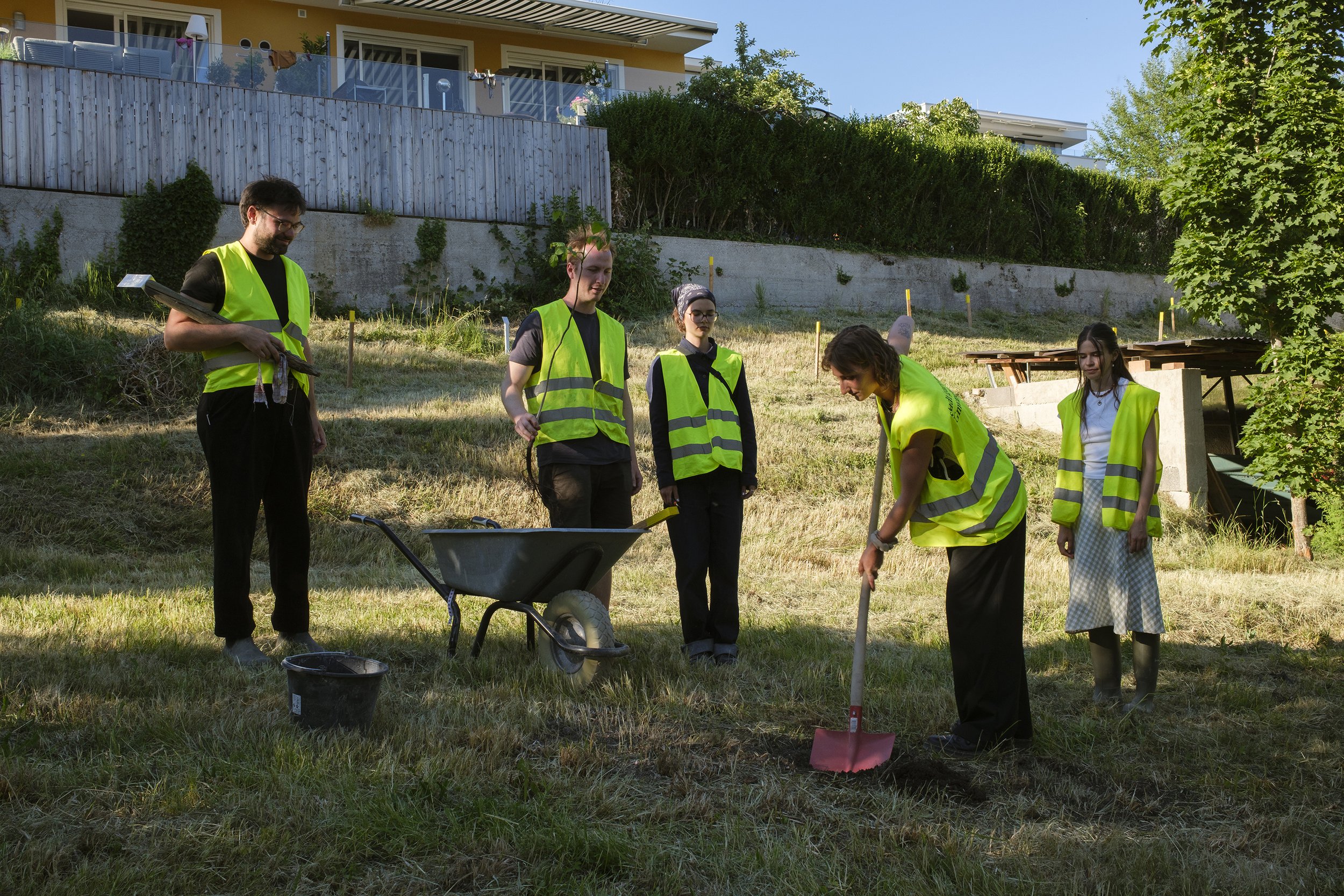
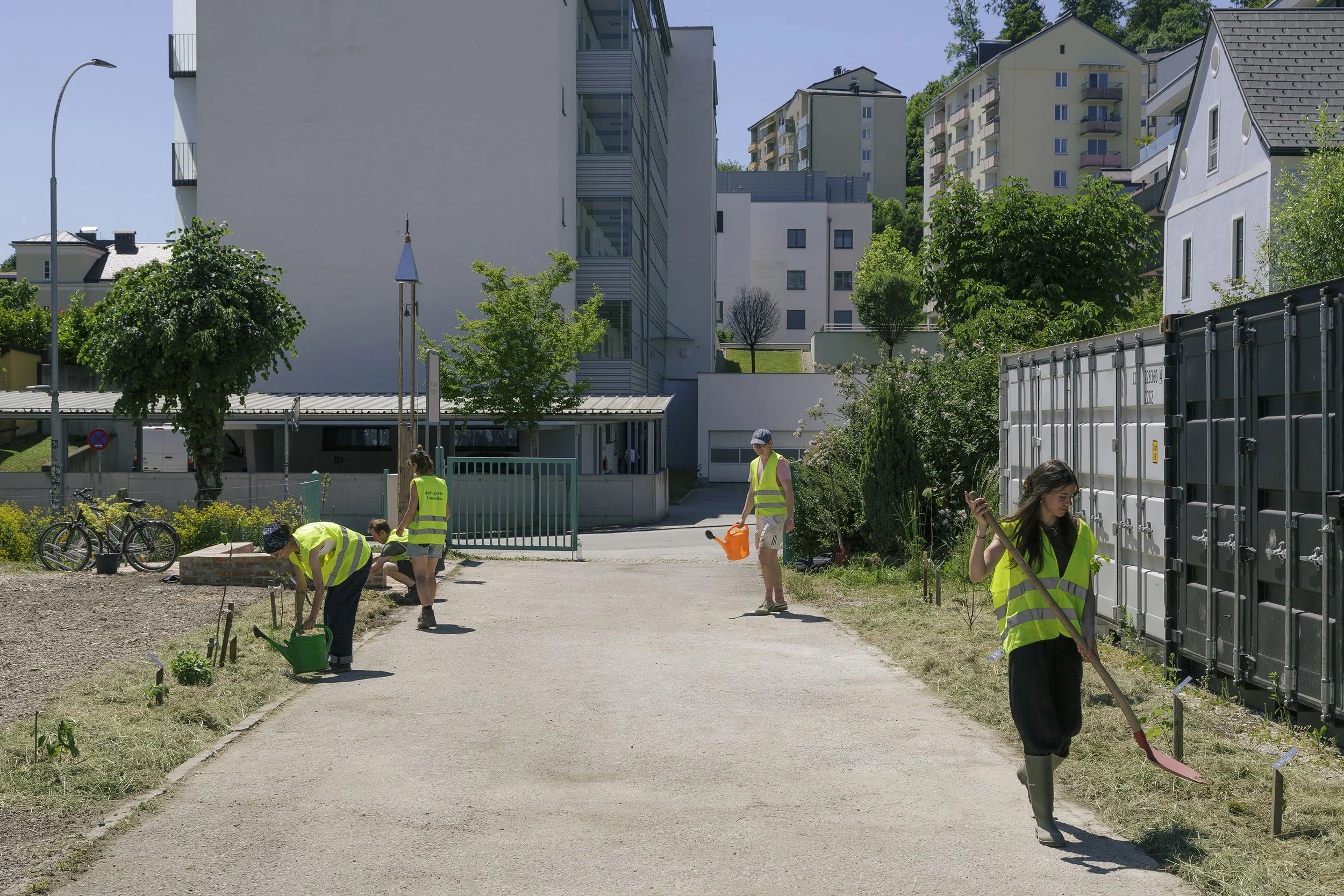
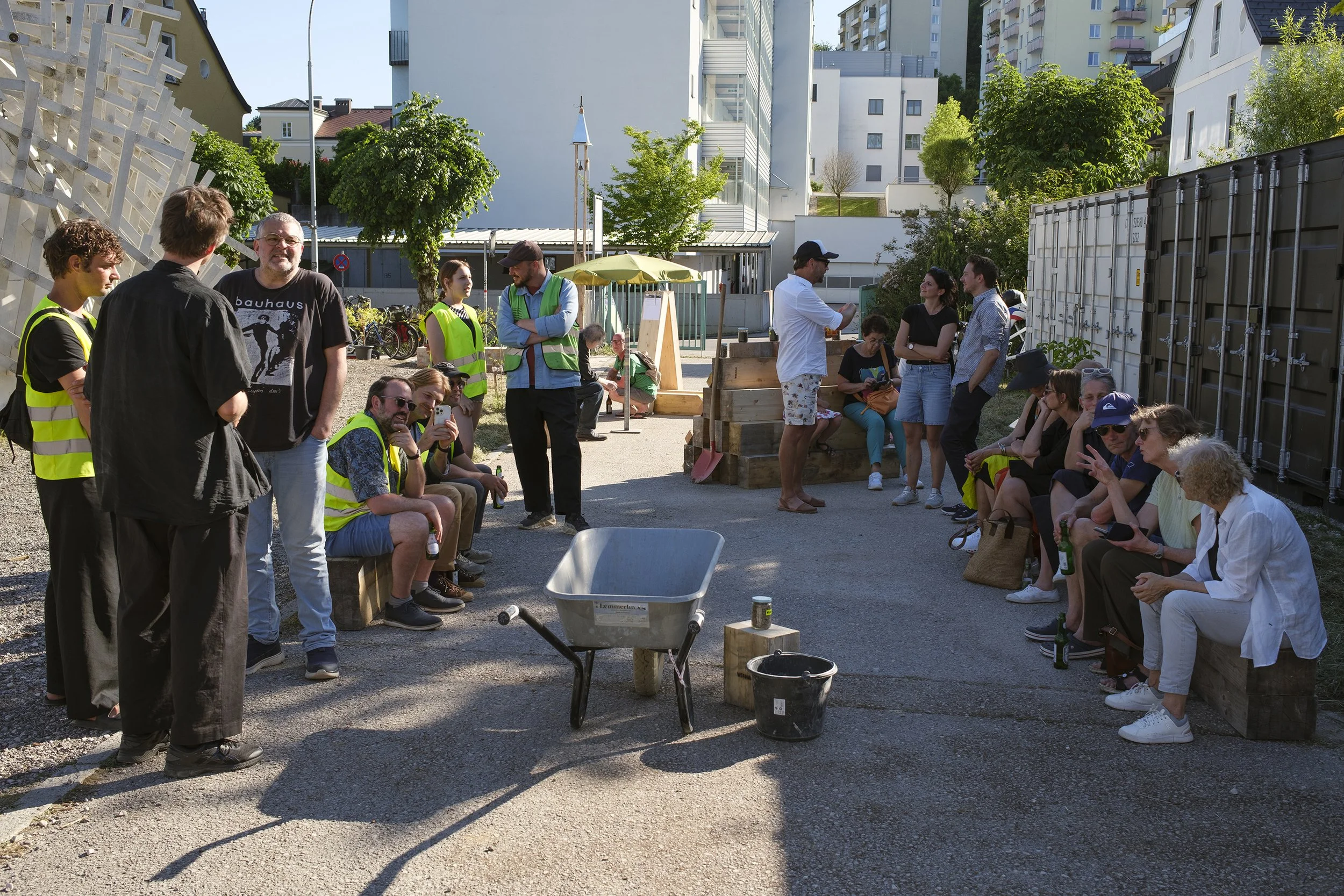
Allee für Alle (Boulevard for All) initiated a re-greening of Stadtgarten through a collective tree-planting initiative with community volunteers. Through a public partition and on-site action the intervention established a framework for gathering and collective stewardship, helping regain community access to the park while creating conditions for continued occupation and care.
3) Tale-Tiles - Memory
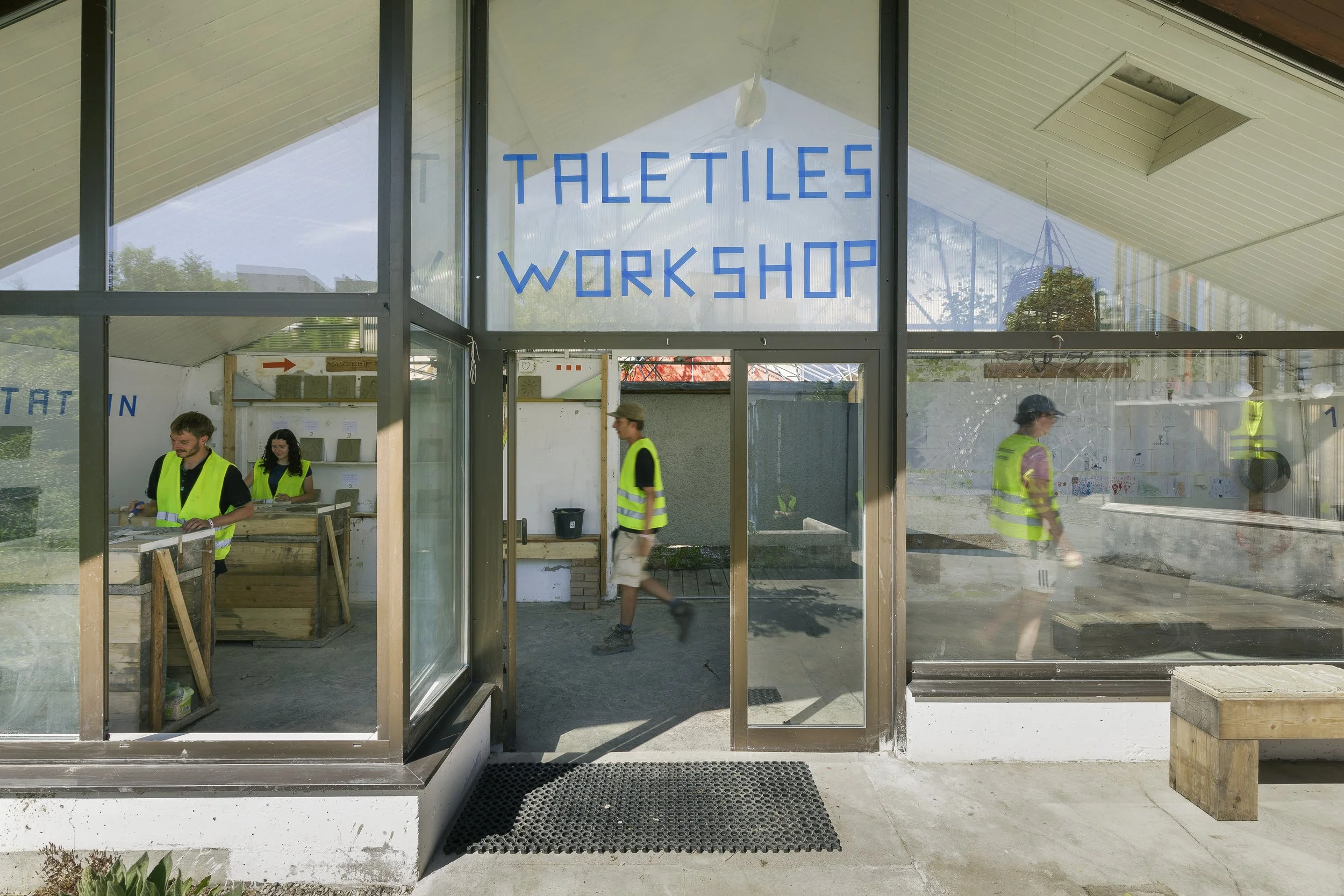
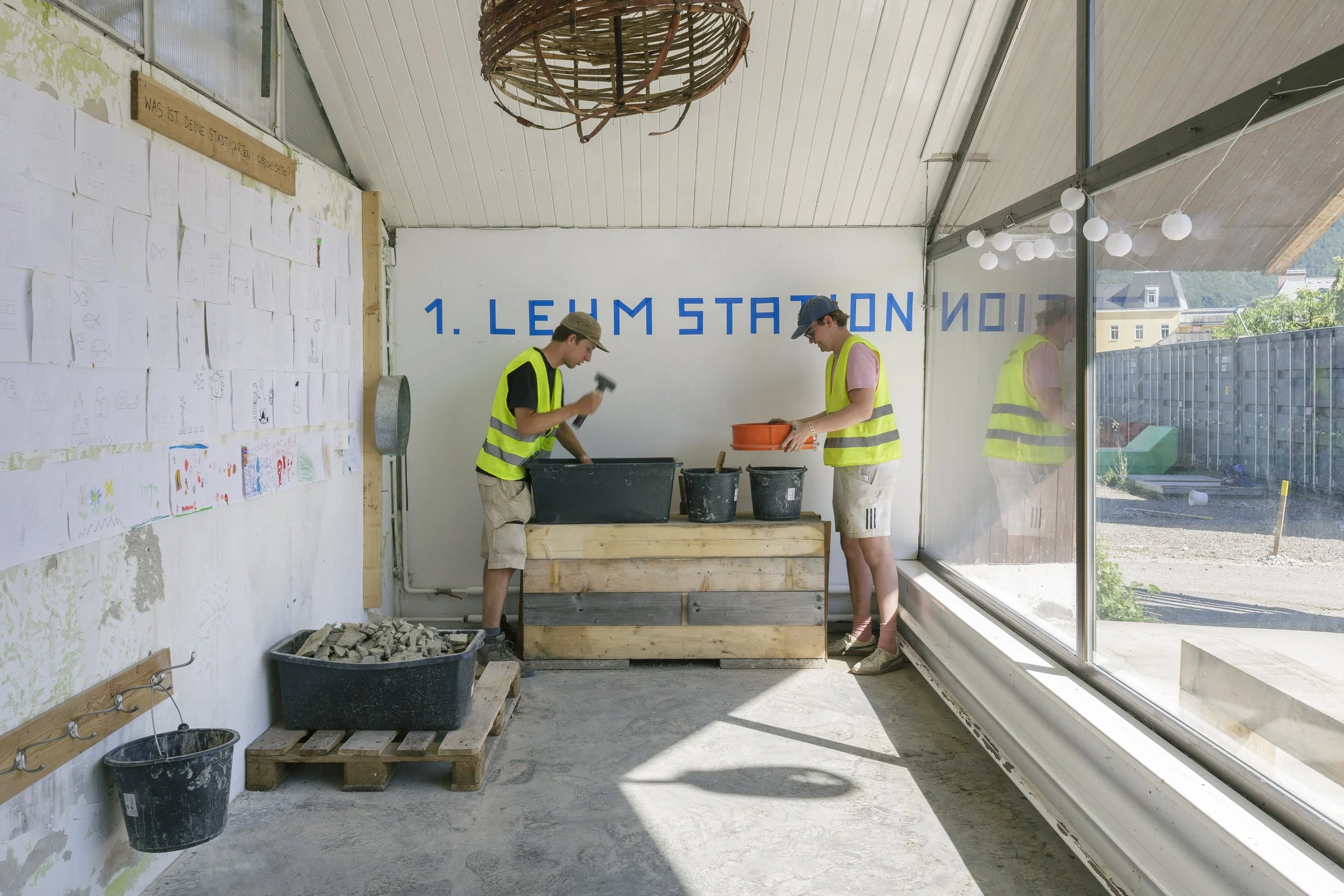
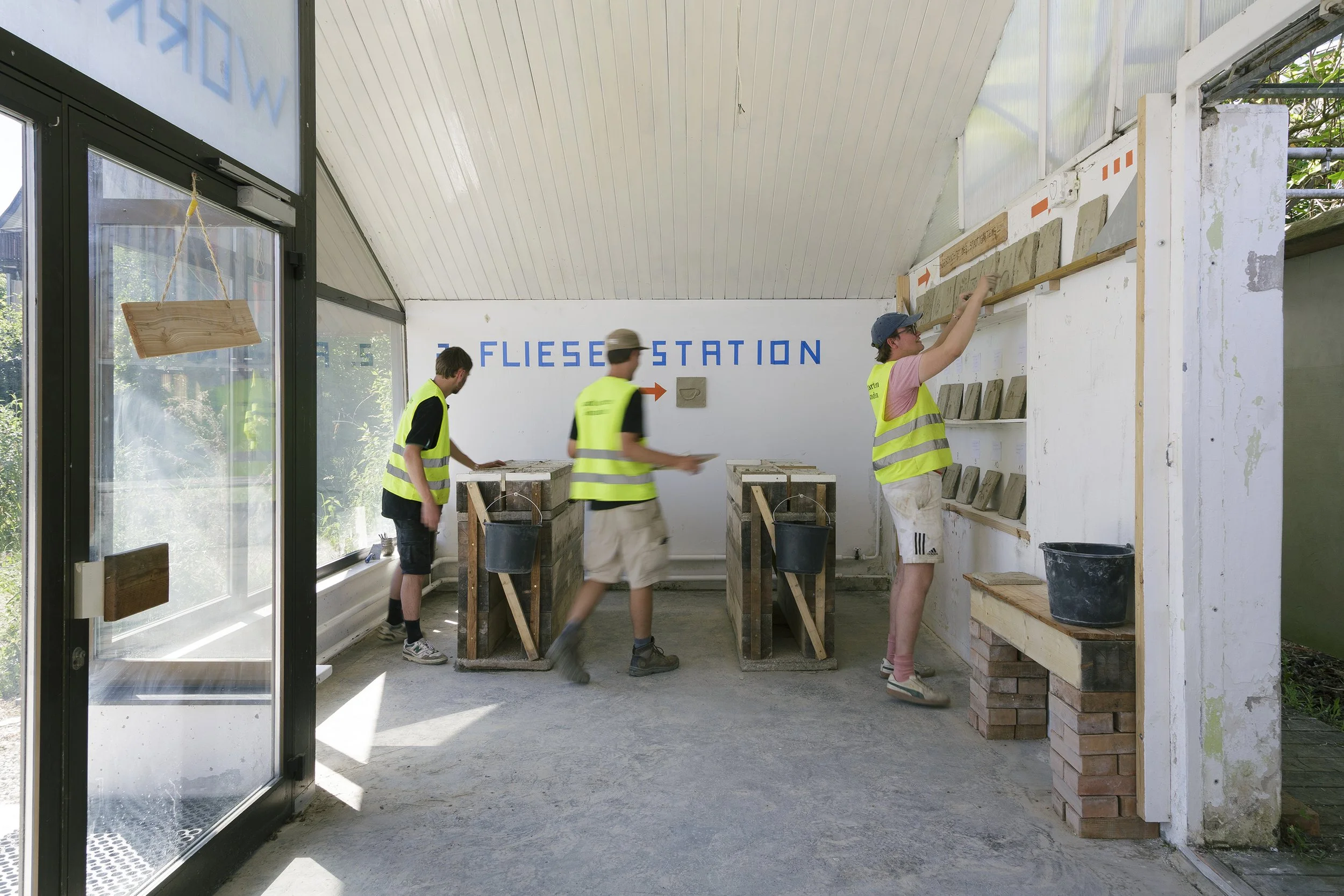
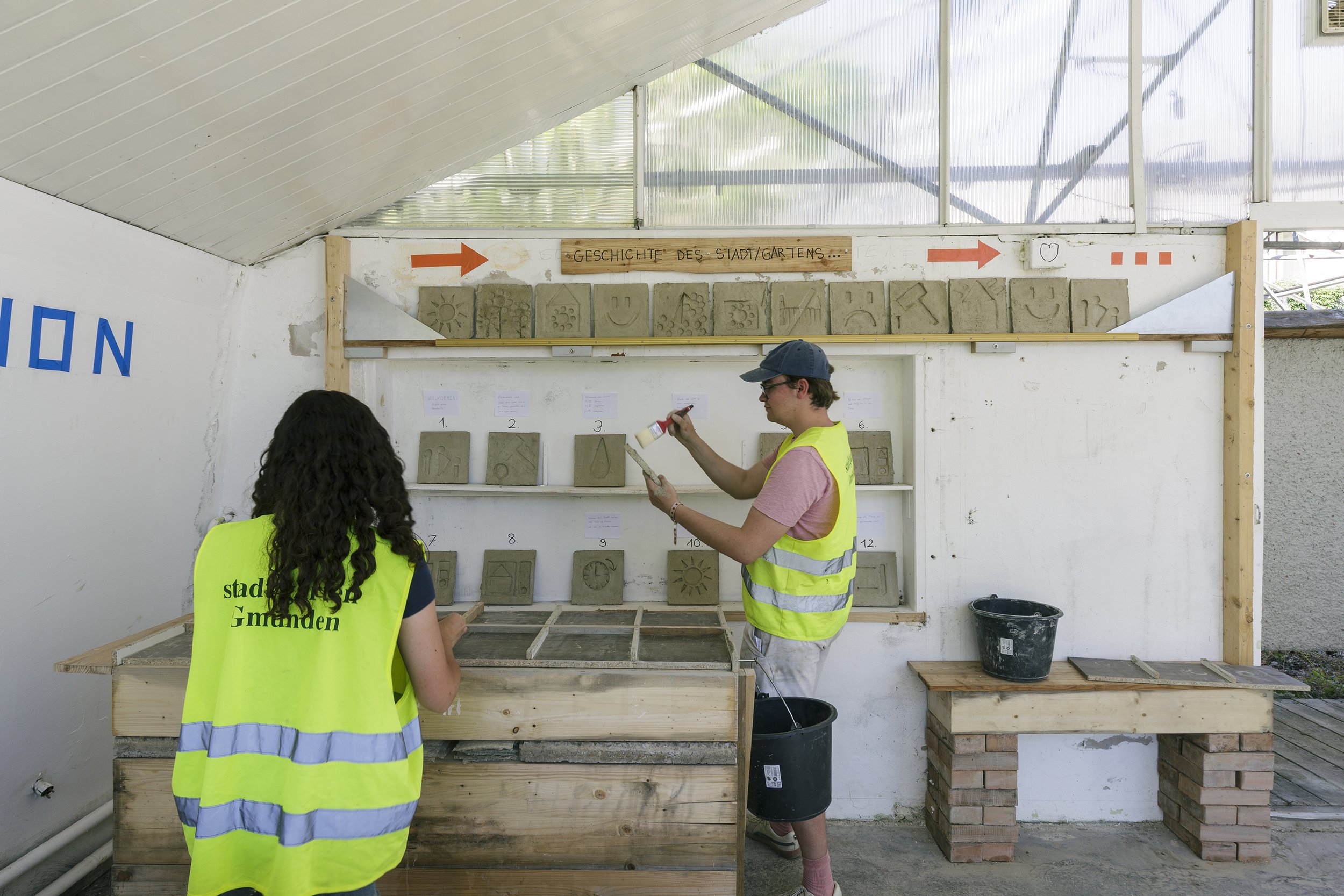
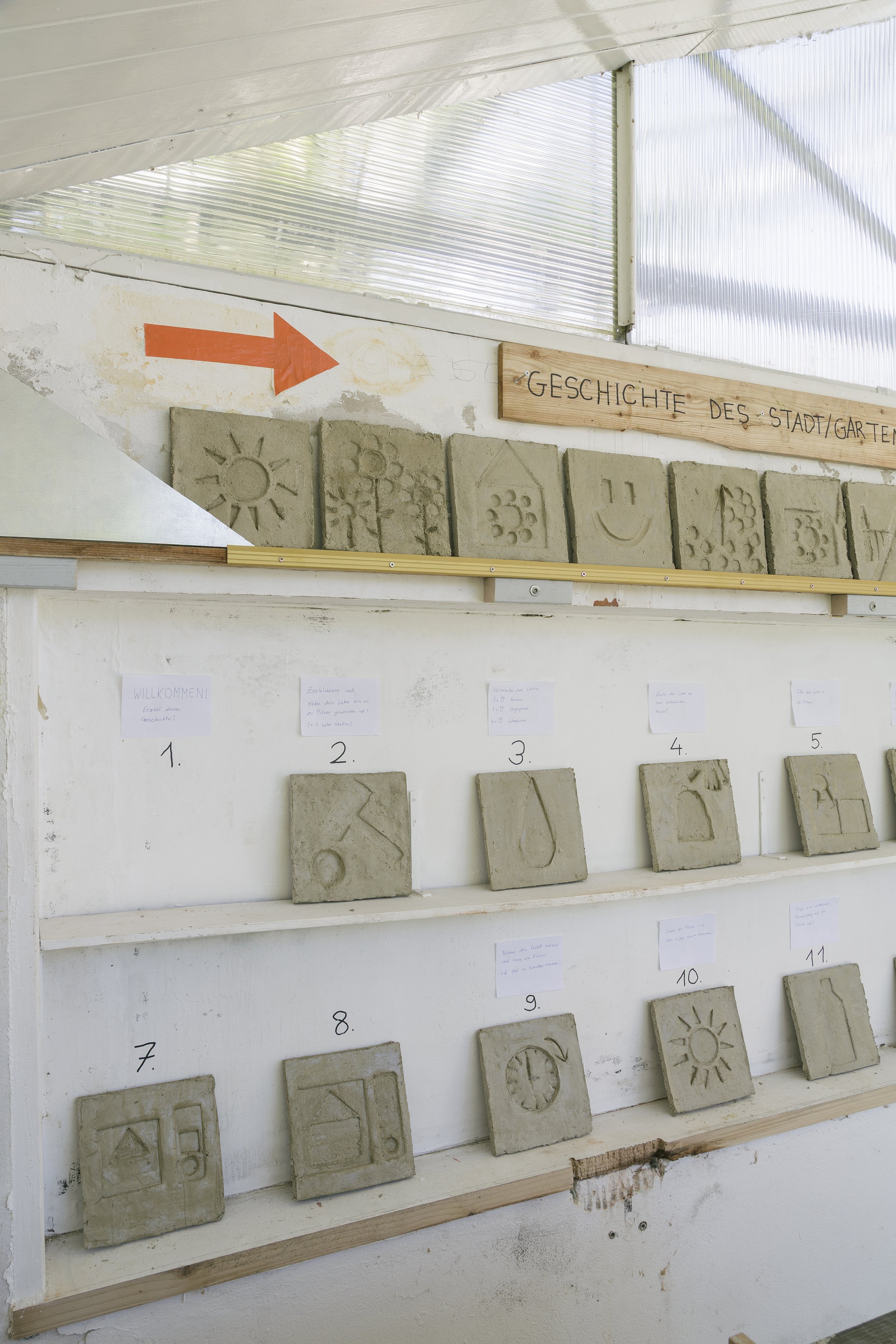
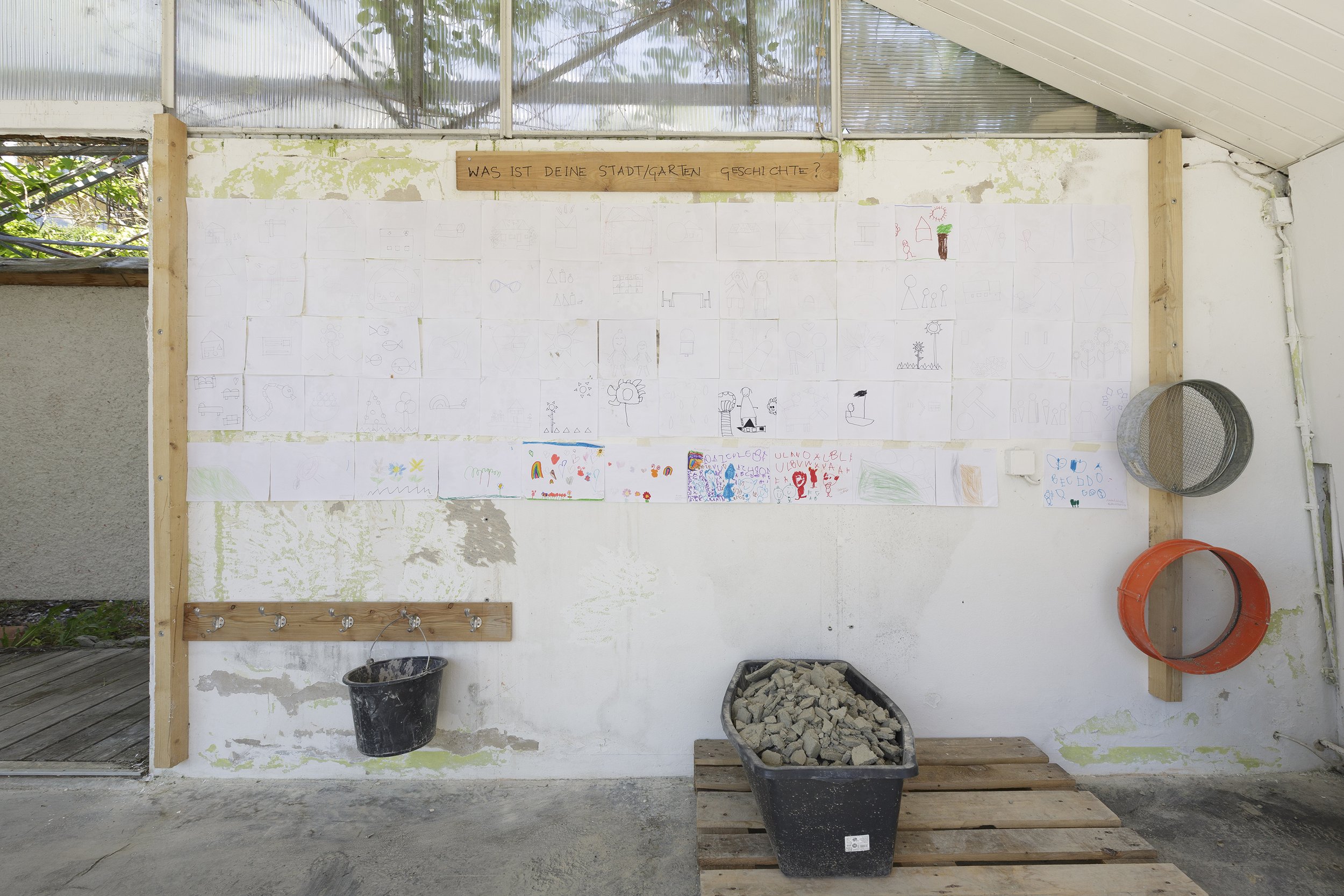
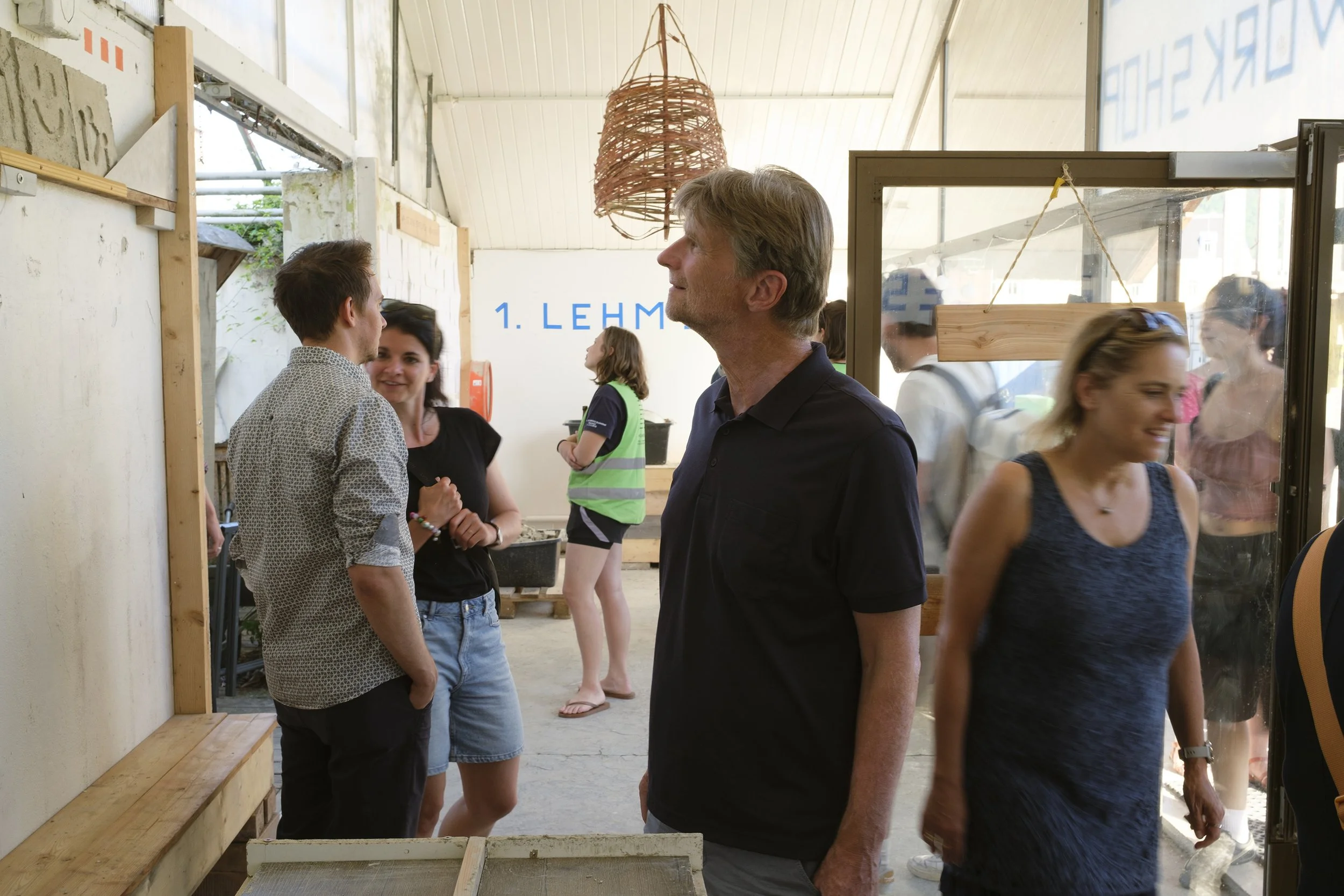
Tale-Tiles converts an abandoned shopfront into a storytelling facility dedicated to archiving stories about Stadtgarten. Drawing on local clay resources, custom-made tiles provide a growing repository for local narratives, allowing the physical fabric of the intervention to become a medium for recording and sharing collective memory.
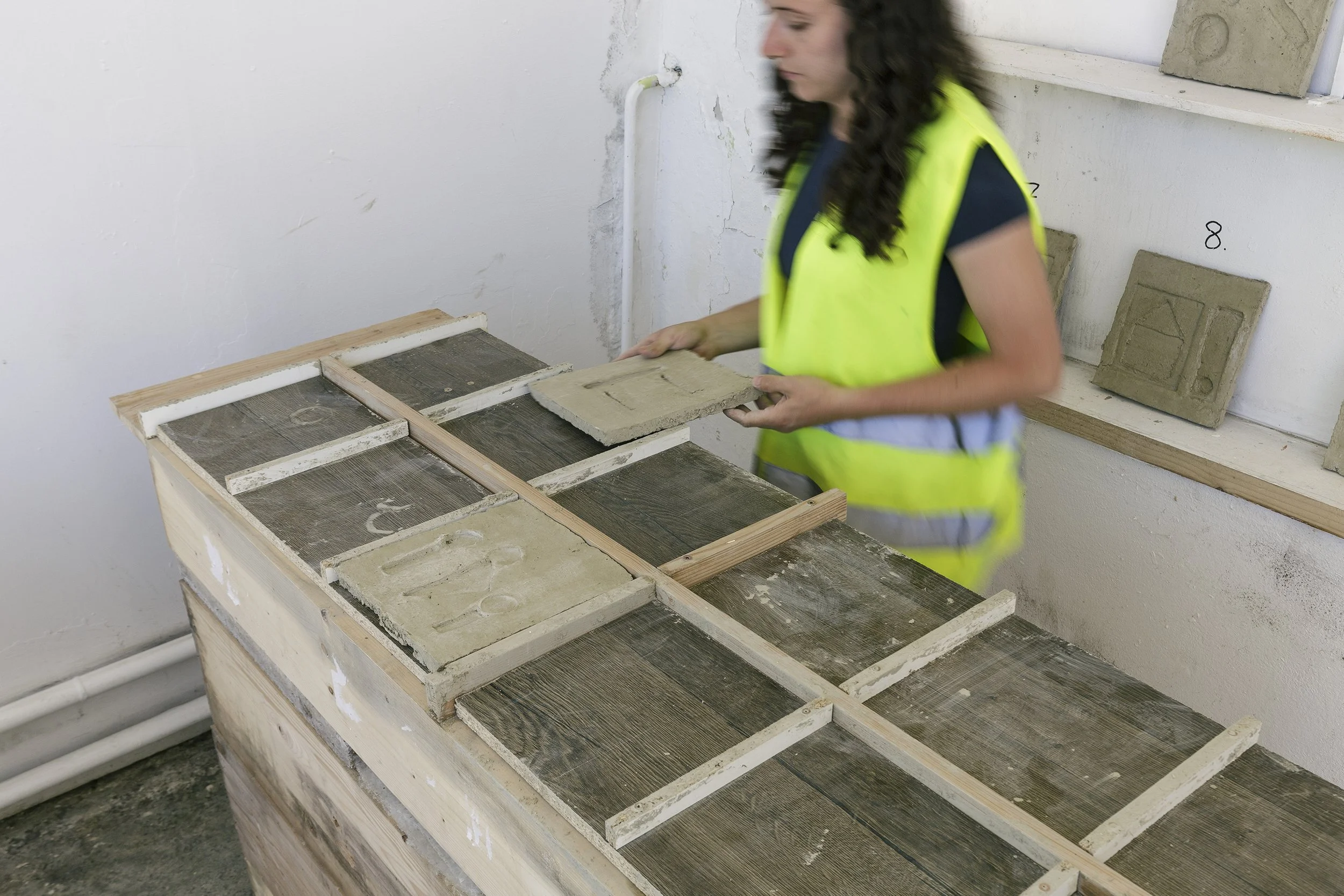
Local polytechnic students were actively involved in the Tale Tile project and will continue to contribute to the workshop’s future development.
Rituals of Assembly positions architecture not simply as a technical operation, but as a social process capable of strengthening local networks while connecting people, materials and place. The project shows how architecture can function as a framework for participation, stewardship, care and long-term public engagement - not as the production of finished objects, but as a continuous process of grassroots assembly, disassembly and physical and social adaptation.
Ultimately, the studio asks whether architecture can exist as a shared ritual rather than an object - and whether this can create the conditions for larger processes of public transformation.
Project team ↓
Brent De Schepper, Felix Schimmel, Kaya-Sophie Hamann, Leon Anderle, Liliane Herberth, Lucia Herz, Marie Brandt, Martin Bruckeder, Max Liko, Mikkel Mensching, Naomi Rath, Raphael Rötzer, Romina Wagner, Sara Fetzer
Project Photography ↓
Paul Sebesta
Supported by ↓


Bioregional Agency
